October 20, 2026
Trees contribute shade, beauty, and character to residential landscapes, but maintaining them requires attention throughout the year. As branches grow, weather conditions change, and trees experience natural aging, problems can develop that are not immediately visible from the ground. Overgrown limbs, weakened branches, and crowded canopies may create risks for nearby structures, landscaping, and people using outdoor spaces. Seasonal tree trimming helps homeowners manage these concerns while supporting healthy growth and maintaining an attractive property. However, postponing routine maintenance can allow small problems to become more complicated and potentially expensive. Understanding the hidden dangers of neglected trees can help property owners recognize when professional attention is necessary.
Increasing the Risk of Falling Branches
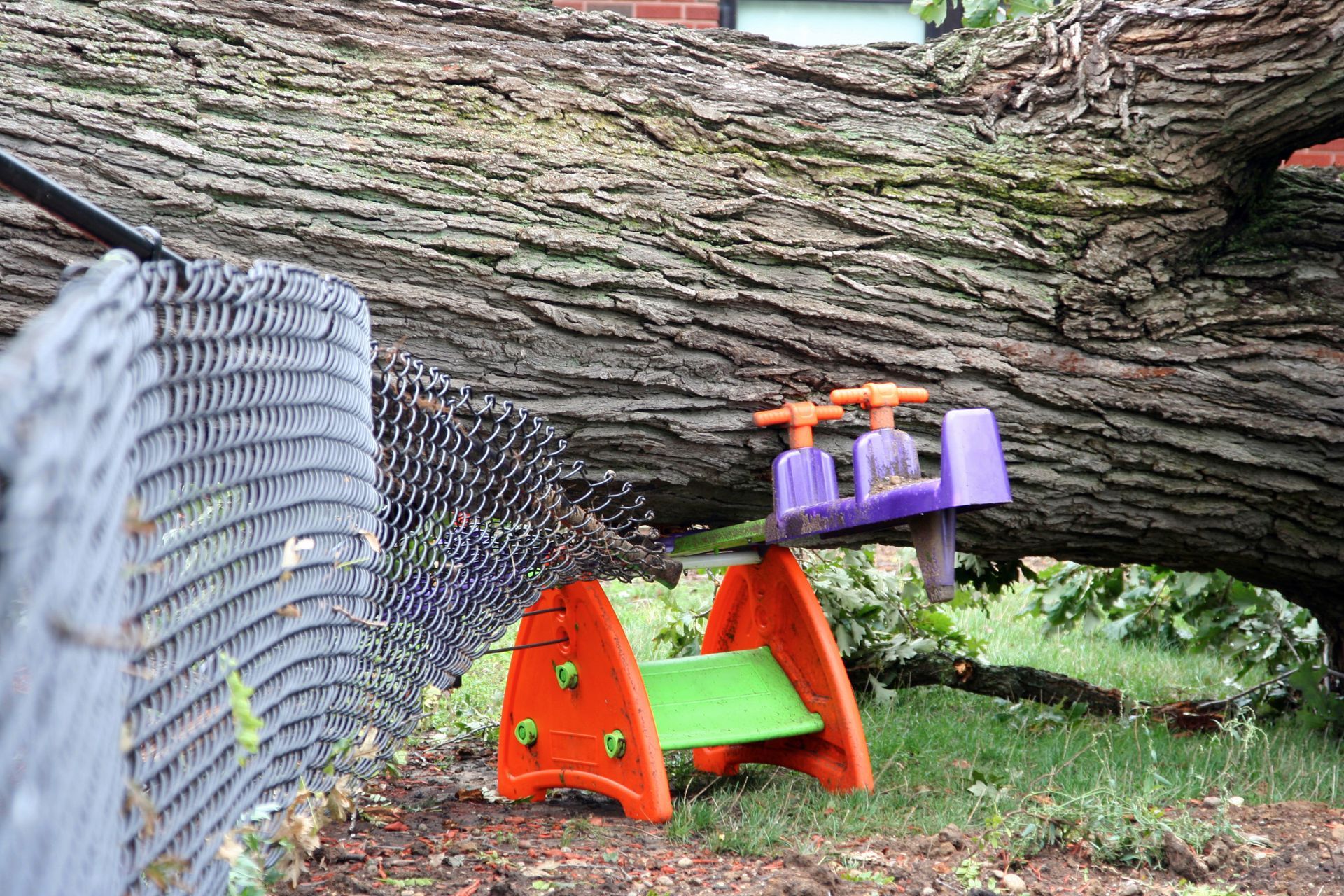
One of the most serious consequences of neglected tree maintenance is the possibility of falling branches. Limbs can weaken because of age, disease, insect activity, or previous storm damage. Some branches develop internal decay that is difficult to recognize without a closer inspection. When strong winds, heavy rainfall, or accumulated snow place additional stress on these areas, weakened limbs may break unexpectedly. Falling branches can damage vehicles, outdoor furniture, fences, and other property features.
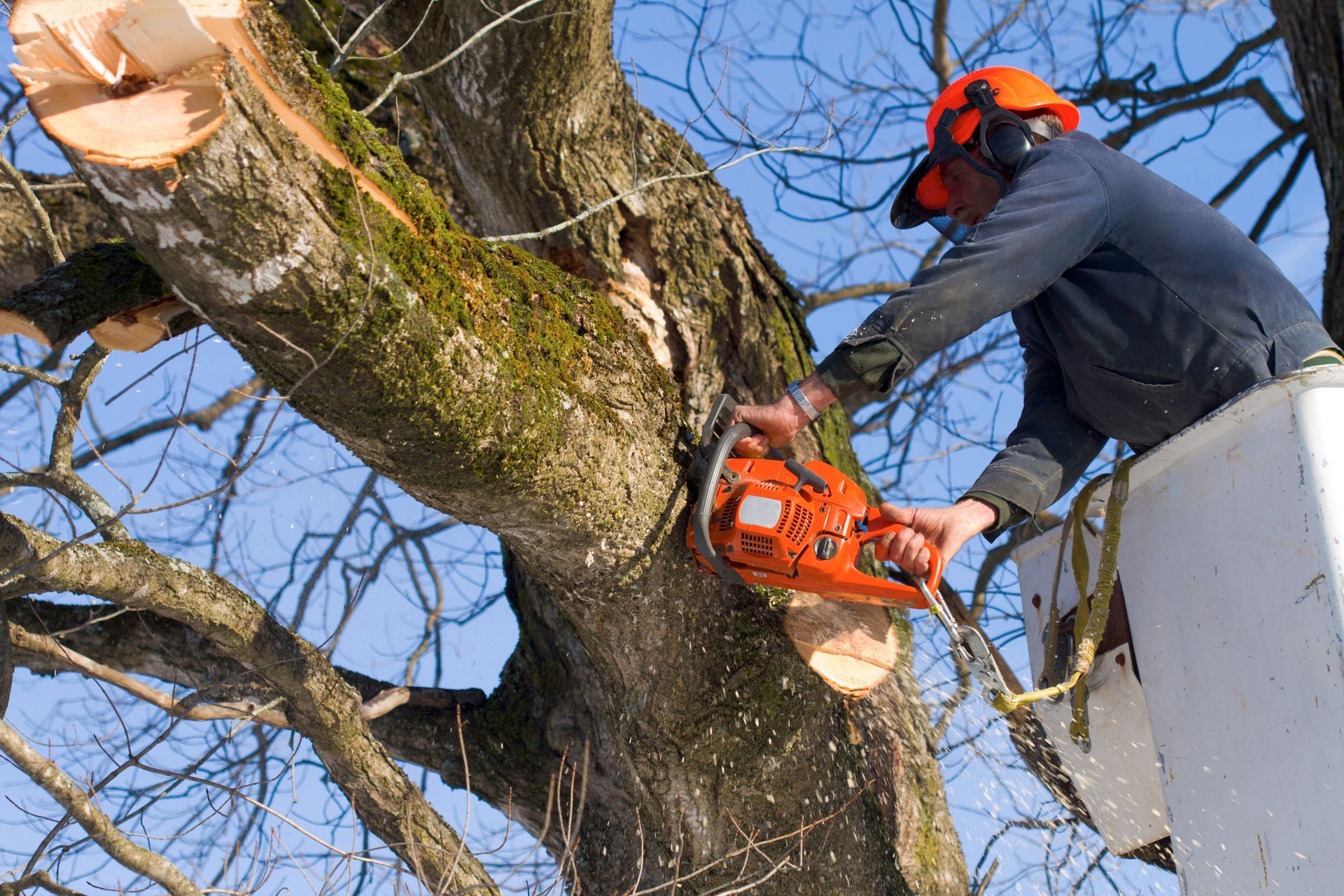
Professional tree trimming can help identify and remove certain weakened, dead, or damaged branches before they create additional hazards. Arborists evaluate branch structure, visible defects, and surrounding conditions to determine appropriate maintenance. Although pruning cannot eliminate every possibility of storm damage, addressing identifiable problems may reduce unnecessary risks. Homeowners should pay particular attention to large branches extending over driveways, walkways, patios, and areas where people frequently gather.
Allowing Damage to Nearby Structures
Branches growing too close to buildings can gradually create problems for roofing materials, siding, windows, and gutters. During windy conditions, limbs may scrape against exterior surfaces or strike vulnerable areas. Leaves and smaller debris can also accumulate in gutters, contributing to drainage problems. As trees continue growing, branches that once maintained adequate clearance may eventually reach structures. These changes can occur gradually enough that homeowners overlook them until damage becomes noticeable.
Routine tree trimming helps maintain appropriate separation between trees and nearby structures. Professionals can evaluate branch growth and recommend selective pruning that reduces contact without unnecessarily removing healthy limbs. Proper clearance depends on the tree species, branch size, location, and surrounding conditions. Homeowners should avoid attempting to cut large branches near buildings themselves, since falling sections can damage property or cause injuries when handled without suitable equipment and experience.
Creating Opportunities for Pest Activity
Overgrown trees can provide convenient access routes for wildlife attempting to reach homes. Squirrels and other climbing animals may use branches extending toward roofs, gutters, or exterior walls. Once they reach a structure, openings around vents, chimneys, or damaged building materials may provide opportunities to enter. Dense vegetation near buildings can also make certain areas more difficult to inspect for signs of pest activity or developing maintenance concerns.
According to PestWorld.org, homeowners should maintain a distance of roughly six to eight feet between tree branches and their roofs to help prevent squirrels from using overhanging limbs as a route into their homes. Maintaining this separation through appropriate pruning may help reduce opportunities for wildlife intrusion. However, homeowners should also inspect vents, siding, and other potential entry points. Tree maintenance works best as part of a broader property protection strategy that includes building repairs and pest prevention.
Encouraging the Spread of Tree Diseases
Dead, damaged, or diseased branches may indicate problems affecting a tree's overall condition. Certain fungal infections and other diseases can spread through vulnerable tissues, potentially affecting additional portions of the tree. Crowded branches may also restrict airflow and create conditions that favor some plant diseases. Without regular inspections, early warning signs such as unusual discoloration, cankers, or dying limbs may go unnoticed until more extensive damage develops.
Seasonal maintenance provides an opportunity to identify suspicious symptoms and determine whether corrective action is necessary. However, pruning methods and timing matter because some diseases can spread through contaminated tools or fresh wounds. Professionals consider tree species, disease risks, and seasonal conditions before removing affected branches. Proper sanitation and selective pruning may help manage certain problems, while other conditions require additional treatment or monitoring by a qualified tree care specialist.
Weakening the Tree's Structural Integrity
As trees mature, their branches develop different growth patterns that influence overall stability. Competing leaders, poorly attached limbs, and excessive weight concentrated along certain branches may create structural weaknesses. These concerns can become more pronounced as branches increase in length and diameter. Without appropriate maintenance, developing defects may place additional stress on vulnerable attachment points, especially during storms or periods of heavy precipitation.
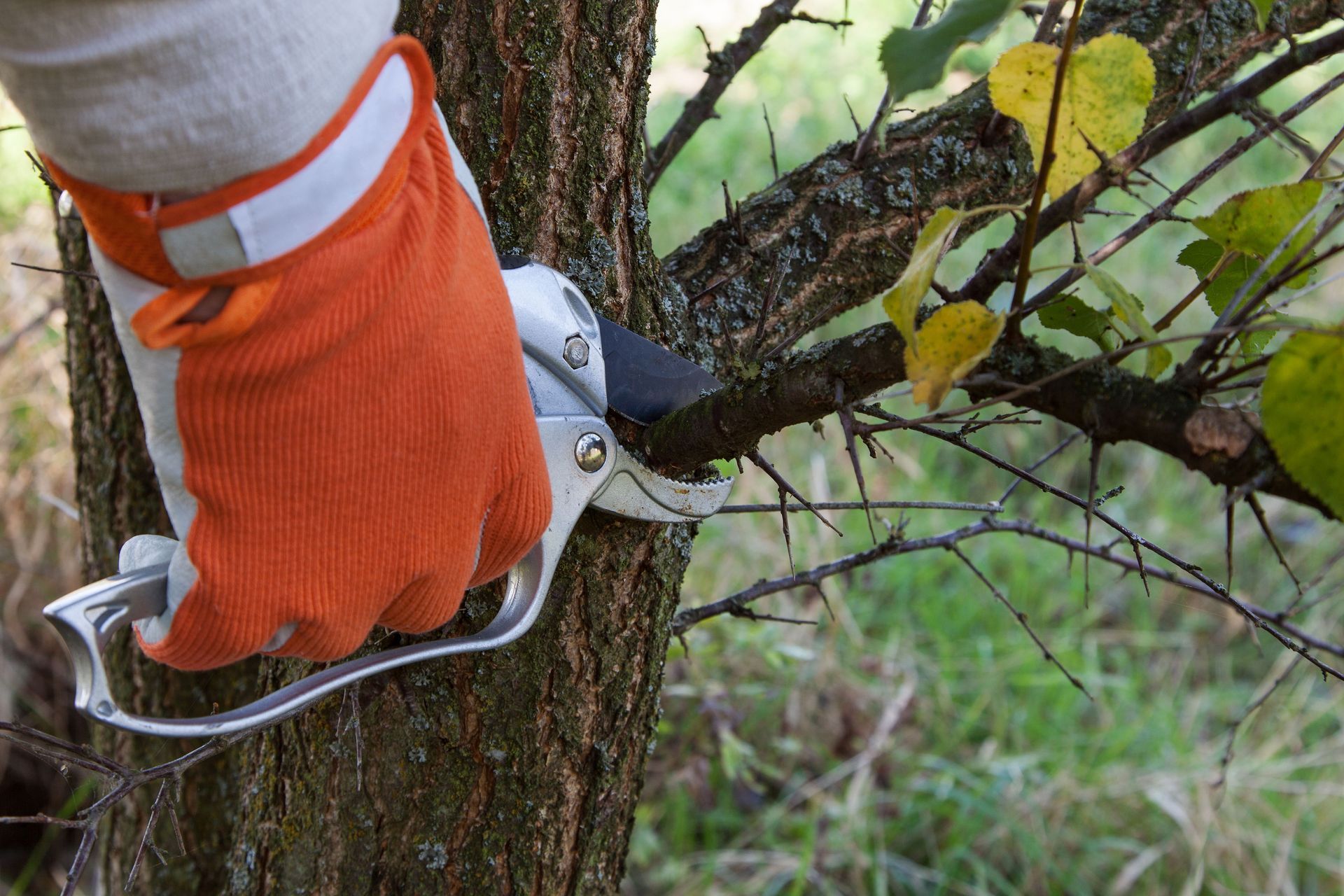
Professional tree trimming can help manage certain structural concerns through carefully selected pruning cuts. Depending on the tree's age and condition, professionals may recommend removing competing branches or reducing excessive weight in specific areas. However, removing too much foliage can weaken a tree and encourage undesirable growth. Effective maintenance balances structural improvements with preserving enough healthy canopy to support the tree's continued development and natural appearance.
Reducing Sunlight and Air Circulation
Dense tree canopies can affect more than the trees themselves. Excessive shade may limit sunlight reaching lawns, flower beds, gardens, and other landscaping features. Plants that require direct sunlight may struggle when surrounding branches become overgrown. Crowded vegetation can also restrict air movement around certain plants, allowing moisture to remain on foliage for longer periods.
Strategic tree trimming can help improve light penetration and airflow when excessive canopy density is creating problems. Professionals may selectively remove or shorten branches while preserving the tree's natural structure. The appropriate amount of pruning depends on the species, growing conditions, and surrounding landscape. Homeowners should remember that some shade is beneficial, particularly during hot weather. The goal is to maintain a practical balance between healthy tree coverage and the needs of nearby plants.
Increasing the Difficulty of Future Maintenance
Postponing routine care can allow manageable pruning needs to develop into larger projects. Branches may grow higher, become heavier, or extend into locations that are difficult to access. Removing these limbs later may require specialized equipment, additional labor, or more complicated safety precautions. Trees located near buildings, fences, and utility infrastructure can present especially challenging working conditions when growth has been neglected for several seasons.
Regular inspections help homeowners identify maintenance needs before access and removal become more complicated. Professionals can develop appropriate pruning schedules based on tree species, maturity, growth rate, and existing structural conditions. Not every tree requires annual pruning, and unnecessary cutting can cause harm. Establishing a maintenance plan based on actual conditions helps property owners prioritize necessary work while avoiding excessive pruning and potentially preventable expenses.
Overlooking Seasonal Warning Signs
Different seasons reveal different aspects of tree health and structure. During periods when deciduous trees lose their leaves, branch arrangements and certain structural defects may become easier to observe. Spring growth can reveal dead sections that fail to produce new foliage, while summer storms may expose weakened limbs. Changes in leaf color, unusual shedding, or visible fungal growth can also indicate concerns that deserve closer examination.
Scheduling tree trimming and inspections around seasonal conditions allows professionals to evaluate developing problems at appropriate times. The best pruning season varies by species, climate, and maintenance objective. Some trees benefit from dormant-season pruning, while others require special timing to reduce disease risks or protect flowering cycles. Homeowners who monitor their trees throughout the year are better positioned to recognize changes and arrange professional evaluations before problems become more extensive.
Neglecting seasonal tree maintenance can create problems that extend beyond an overgrown appearance. Falling branches, structural damage, pest access, disease development, and weakened branch attachments may threaten the condition of trees and surrounding property. Excessive canopy growth can also affect landscaping, while delayed maintenance may make future work more complicated. Regular inspections and appropriate pruning help homeowners recognize developing concerns and make informed decisions about necessary care. Because different tree species have different maintenance requirements, professional guidance is valuable when determining which branches need attention and when work should occur. Taking a proactive approach can help preserve healthy trees, maintain attractive outdoor spaces, and reduce avoidable property hazards. For professional assistance evaluating your trees and maintaining your landscape, contact Amy's Tree Care.