August 17, 2026
The potential hazards of a leaning tree can often be underestimated until the risks become immediate and tangible. Leaning trees pose a danger not only to property but to human safety as well, needing timely evaluation to determine the necessity of emergency extraction. This article provides comprehensive guidance on identifying the signs that necessitate urgent action for a compromised tree. Readers will come away with insights into what to look for, steps to take, and when professional help is indispensable. Understanding these factors can be the difference between preventive measures and dealing with unexpected consequences.
Understanding Leaning Trees
Analyzing Growth Triggers
Trees lean for many reasons, ranging from natural growth patterns to external environmental factors. In some cases, canopy crowns naturally tilt when seeking sunlight in densely forested areas. However, external forces like strong winds, soil erosion, and shifting water tables can lead to a problematic tilt. Human activities can also compromise a tree's root system, resulting in an unnatural lean that eventually necessitates a complete tree removal process. Sometimes, underground infrastructure can disturb the soil or roots, exacerbating the lean without any visible warning signs above ground.
Diagnosing Structural Shifts
Natural leaning is generally characterized by a gradual curve in the tree trunk where the timber seeks light. Problematic leaning, on the other hand, often presents as a sudden change in direction, suggesting severe damage to the root system or trunk instability. Trees that lean acutely after a weather event or whose roots are visibly lifting from the soil should be inspected immediately. Understanding the difference between natural and problematic leaning is crucial in assessing health and deciding whether a total tree removal is required.
Assessing Substrate Conditions
Root health and soil integrity are primary factors in overall stability. Weak or sickly root systems struggle to support heavy trunk weight, leading to potential tilting. Soil erosion, particularly in areas with poor drainage or excessive rainfall, can destabilize even the sturdiest species. In drought-prone regions, trees suffer from brittle roots, making them highly susceptible to toppling in strong winds. Furthermore, the age of the timber affects its stability; older specimens with substantial growth may lean due to the significant weight they must support.
Reviewing Historical Incidents
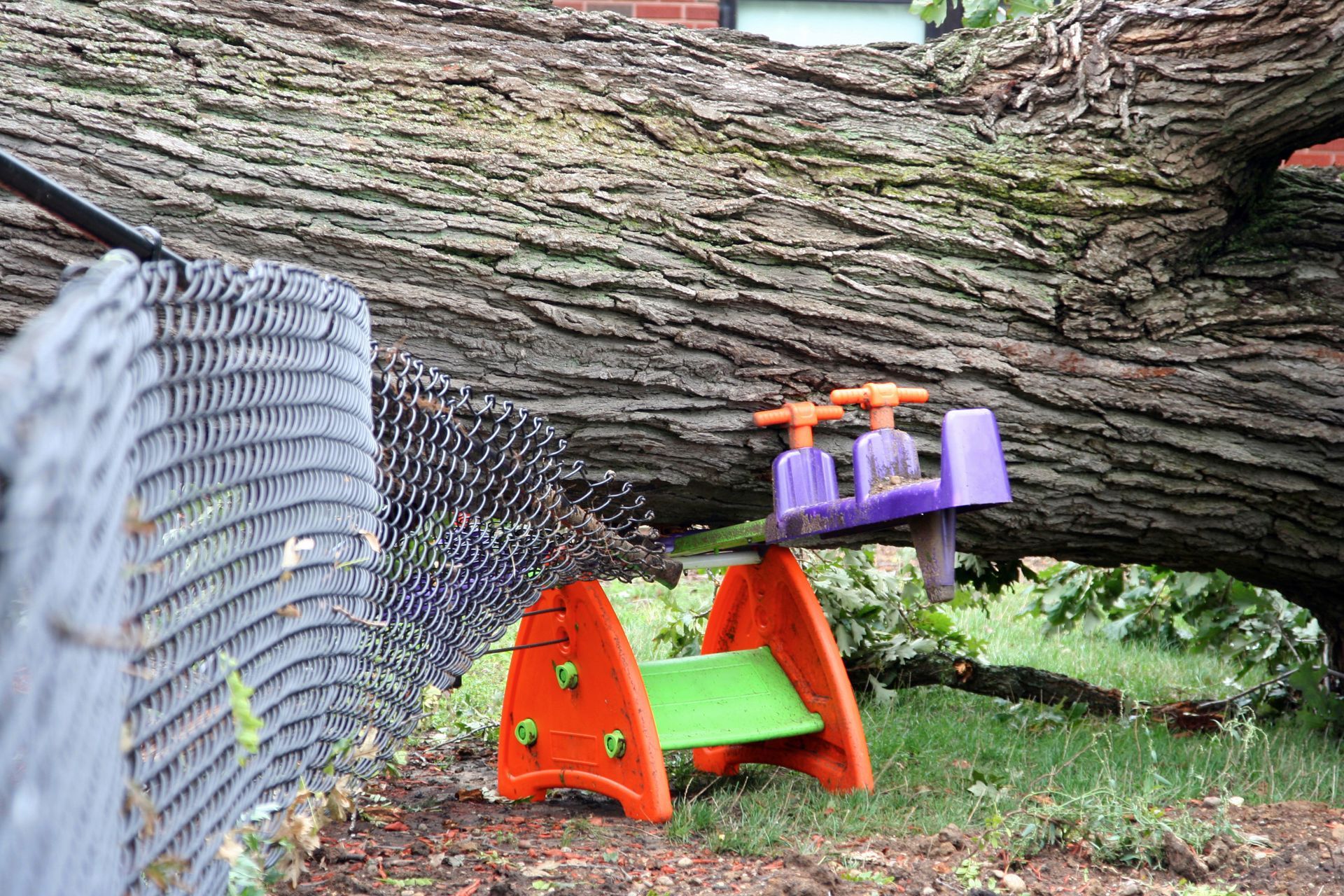
Consider the case of an urban park tree that offered clear insights into how environmental conditions induce a dangerous lean. Situated in an active public space, this tree became a safety concern after heavy storms compromised its stability. A consulting arborist determined intricate root damage exacerbated by soil moisture imbalance, advocating for its immediate tree removal to protect pedestrians. In another scenario, a cluster of birches began to lean due to construction work nearby, demonstrating how human activity introduces unforeseen complications to structural stability.
Signs a Leaning Tree Needs Emergency Attention
Monitoring Angular Acceleration
A sharp change in a tree's angle indicates an urgent need for evaluation. Such shifts often occur after severe weather events, suggesting that the root plate has failed to hold the weight firmly. An immediate and visible lean indicates a current or worsening compromise in the lower structural root system. Observing how quickly an angle changes is essential for determining the urgency of a tree removal intervention. Swift changes in angle often correlate with an increased risk of falling, particularly if weight distribution across the upper canopy is uneven.
Inspecting Ground Fractures
Exposed roots are indicative of a specimen whose support system is failing, often leading to sudden lean or complete collapse. Soil cracks around the base of the trunk serve as a warning sign, suggesting ground instability and inadequate support. This structural failure is not always visible and requires a close inspection around the trunk base and surrounding area. Arborist consultation reveals the extent of root disturbance, guiding further actions.
Examining Trunk Fissures
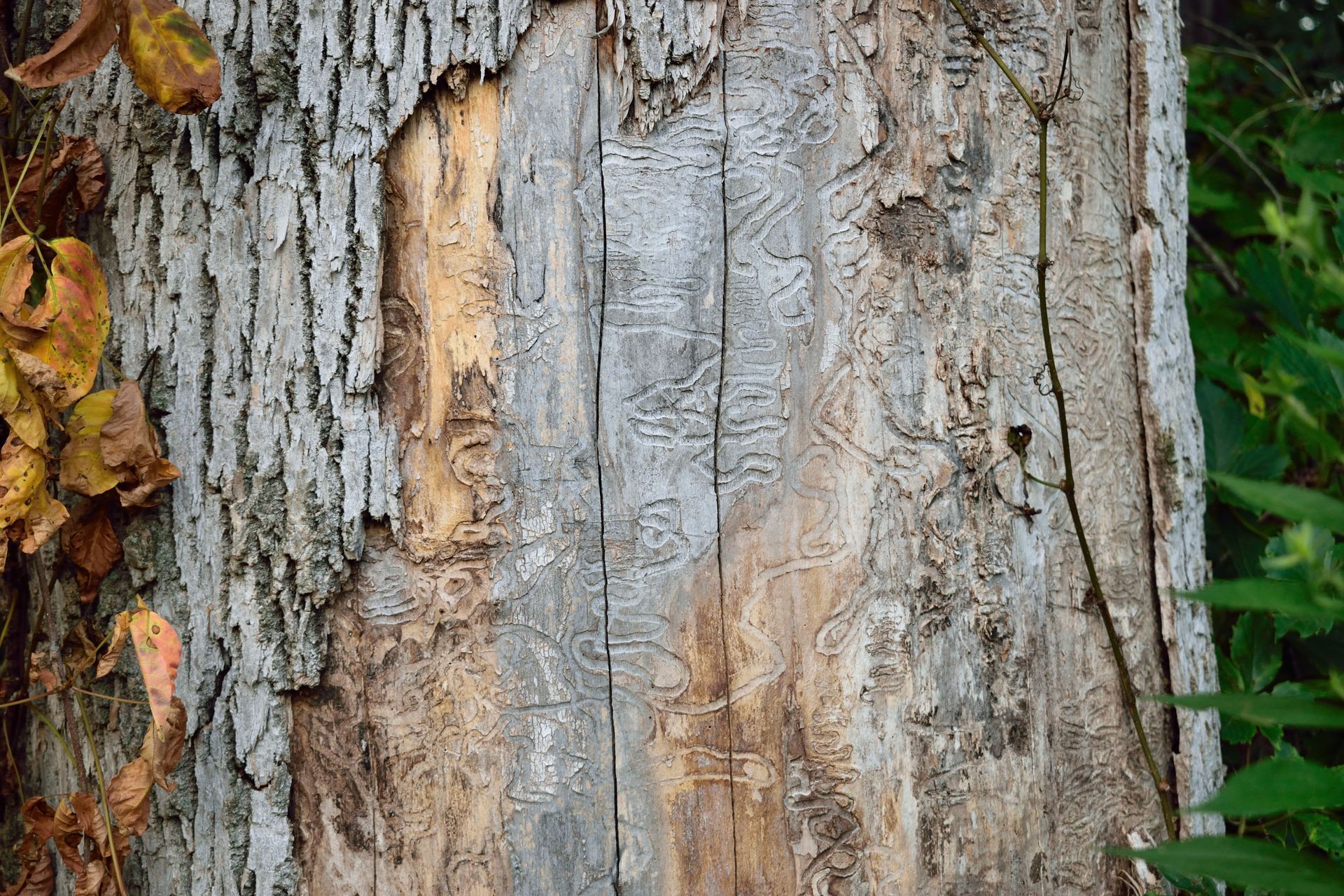
Cracks in the trunk signal interior decay or structural weakness, which may be linked to leaning. Such fissures compromise the ability to withstand weight stress, especially if growing at an abnormal angle. When these cracks accompany other symptoms, such as leaf loss or dying branches, they might indicate that a professional tree removal is needed. Regular monitoring of old or significant specimens mitigates risks associated with trunk cracking. Consultation with a certified arborist helps in understanding the extent of trunk damage and potentially averting property emergencies.
Tracking Progressive Movement
Observing a leaning tree over time provides insights into the potential necessity for extraction. A specimen whose lean gradually worsens could face chronic root or soil issues, potentially escalating towards a sudden fall. Regular inspections determine if external factors like construction work or soil erosion are contributors. A slow-but-steady increase in lean emphasizes the need for a proactive approach to management. Even without immediate danger, continuous worsened lean should prompt a detailed evaluation and preparations for possible tree removal, if necessary.
Professional Emergency Removal Process
Starting Initial Audits
In emergency scenarios, the process begins with a rigorous evaluation by a qualified arborist to determine the best course of action. The consultation informs both immediate and long-term strategies, leveraging detailed site analysis and health assessments for strategic decision-making. Applying evaluative metrics, a comprehensive outline is given to assess whether immediate intervention or alternative solutions suit the criteria. A tangible understanding of conditions facilitates seamless operation planning, minimizing potential hazards and optimizing forestry outcomes.
Implementing Safety Measures
Safety remains the foremost imperative when undertaking emergency operations to protect both people and properties involved. According to the Tree Care Industry Association, 243 tree care-related fatal occupational injuries were documented in the United States over a four-year study, averaging 61 incidents per year. Securing such undertakings with planned protocols ensures that crews are harmonizing with technical recourse that can appropriately control removal endeavors.
Executing Sectional Cuts
An expertly orchestrated sequence guided by strategic insights curtails untimely disturbances and efficiently addresses inherent challenges. An arborist-led plan typically starts with identifying and isolating hazardous factors, employing controlled felling to ensure a systematic process. Delineation of responsibilities among ground crew, spotters, and machine operators allows for structured coordination augmenting oversight accuracy. Segmenting timber sections into manageable sizes using pristine cutting techniques reduces infrastructure stress and operational ambiguity.
Preventing Future Tree Leaning and Falls
Trimming Structural Overgrowth
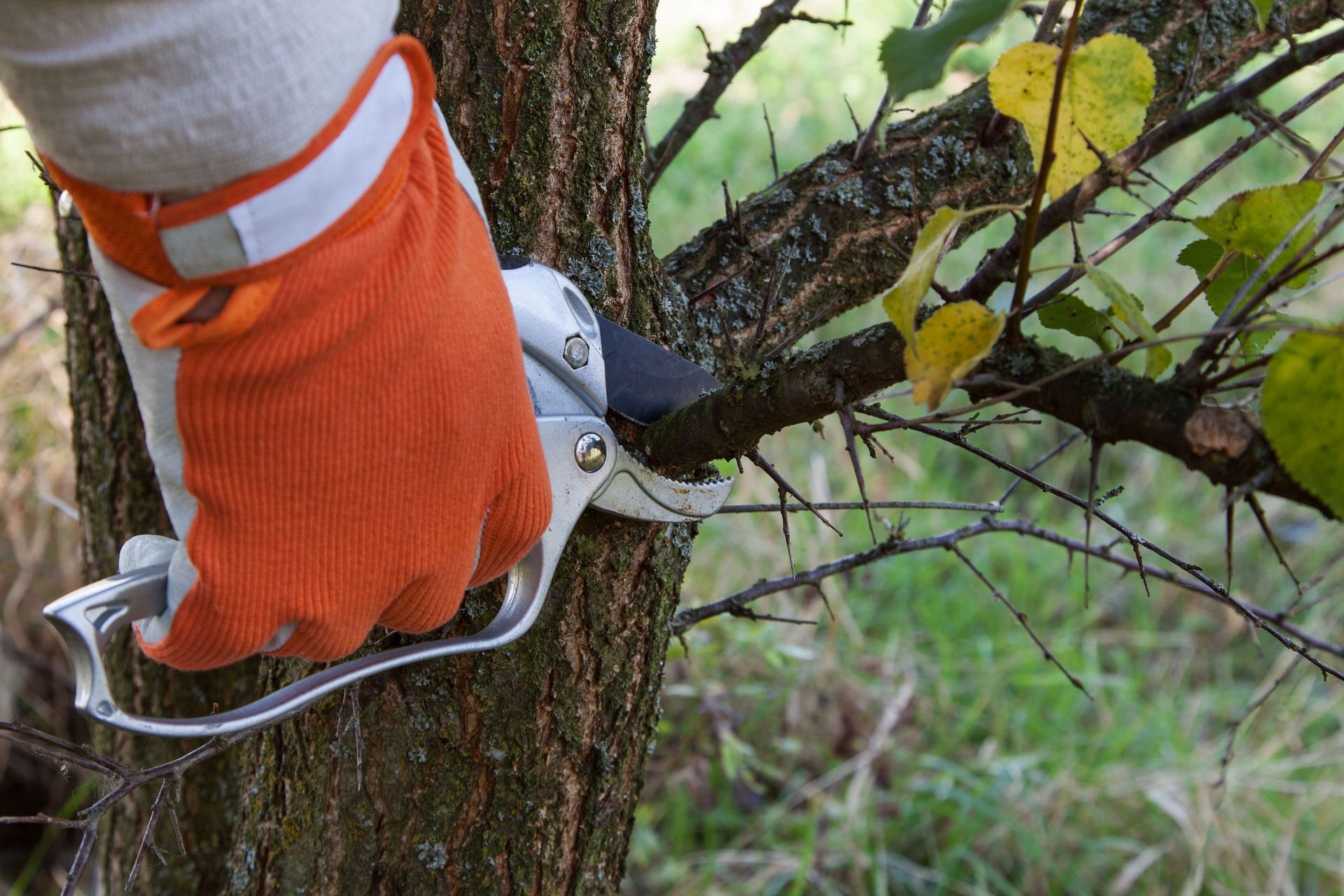
Pruning forms an essential component of plant-soil management strategies, promoting resilience through tactical interventions and structured growth responses. Systematic trimming enhances aesthetics, architectural harmony, and visibility while prioritizing infrastructure health and ecological integrity across landscapes. Seasonally timed pruning optimizes plant tissue compatibility, invigorating offshoots, foliage development, and symbiotic host facilitation.
Installing Advanced Drainage
Comprehensive drainage design principles underpin effective runoff management strategies, mitigating erosion and subsurface modifications that might impair support integrity. Implementing controlled drainage systems ensures water dispersal aligns precisely with terrain profile demands, safeguarding root foundations with preventative ground preservation. Integrated water management technologies synergize with landscape designs to enhance plant partner interaction while maintaining vital water accessibility throughout seasonal variances. Proactive erosion countermeasures consolidate landscape compositions that cultivate structured drainage frameworks and sustainable fluid dynamics.
Conceiving long-term care initiatives demands systematic initiatives that spell out meticulous arboricultural planning and continuity frameworks essential for ecological balance. These comprehensive plans harmonize diverse interactions between landowners, stakeholders, and conservation entities to mainstream sustainability benchmarks across local microclimates. By mapping growth trends and regional weather patterns, homeowners can proactively manage structural safety and maintain pristine landscape aesthetics for generations. For professional asset evaluations, storm preparations, and emergency maintenance across the region, protect your property value by booking your next comprehensive consultation with Amy's Tree Care.