July 23, 2026
Discovering mushrooms at the base of a tree may seem benign or even picturesque, but in reality, it can signal serious trouble for the health of your tree. Prompt action is crucial to address underlying issues that could compromise the stability and safety of the tree. This article explores why the presence of mushrooms calls for immediate intervention by a tree service professional.
The Nature of Mushrooms and Tree Interaction
The Role of Fungi in Nature
Fungi play a vital role in ecosystems, breaking down organic matter and facilitating nutrient cycling. They are essential decomposers, helping to recycle nutrients back into the soil, which supports plant growth. However, not all fungal interactions are beneficial, especially when it comes to trees. Mushrooms can indicate the presence of fungi that are decomposing the wood of tree roots, potentially leading to structural damage. The role fungi play in tree ecosystems is complex and requires careful observation to distinguish between beneficial and harmful interactions. Hiring a professional tree service is needed to inspect the mushrooms' impact on the tree's health.
Indicators of Tree Health Deterioration
Mushrooms at the tree base can be a significant indicator of deterioration in tree health. When trees are under stress, they are more susceptible to fungal infections that manifest as mushroom growth. Stressors such as drought, improper pruning, and soil compaction can weaken a tree, making it more vulnerable to pathogens. According to Global Forest Watch, natural forests account for 12% of the total land cover throughout Utah; this highlights the importance of maintaining tree health in both urban and natural settings. The presence of fungi is often an external symptom of internal problems that can affect a tree's longevity.
Mushroom Types to Watch For
Different types of mushrooms can be found at the base of trees, each suggesting distinct implications for tree health. Honey fungus, for example, is a notorious tree pathogen known for its destructive effects on roots and can lead to tree death. Conversely, some mushrooms may indicate less aggressive fungi that do not pose immediate threats but still require monitoring. Recognizing these types can empower homeowners to seek professional advice before issues escalate. Professional tree service providers, like arborists, are trained to identify specific mushroom species and understand their potential impacts on tree health.
Symbiotic vs. Pathogenic Fungi
Fungi that grow at the base of trees can have either symbiotic or pathogenic relationships with their host. Symbiotic fungi, like mycorrhizal fungi, actually enhance tree growth by improving water and nutrient absorption. They form beneficial relationships, helping trees thrive by expanding the root system's capabilities. On the other hand, pathogenic fungi cause decay and disease, posing significant risks to tree health. Recognizing the nature of these fungi is crucial in determining whether the mushrooms signify a beneficial presence or an immediate threat.
Initial Evaluations and Observations
Initial evaluations of mushrooms at the tree base involve detailed observation and assessment to determine the potential impacts on tree health. Arborists look for telltale signs that might indicate root decay or internal structural issues. Observations include assessing the mushroom type, distribution, and any visible effects on the tree's bark or crown. Such evaluations form the basis of developing a response strategy to mitigate any identified risks. Early and accurate identification of the fungi’s seriousness can save both trees and capital over time. It is better to hire an expert tree service than to DIY an evaluation.
The Implications of Rot: What Mushrooms Reveal
Internal Decay and Structural Integrity
The presence of mushrooms at the base of a tree often reveals underlying issues of internal decay, which seriously threatens the tree’s structural integrity. Internal decay weakens the wood from the inside outward, often going unnoticed until significant damage has occurred. This decay can compromise the tree's ability to withstand environmental stresses such as wind, making it more prone to falling. Regular inspections are vital to identify early signs of internal decay. Professionals use tools like acoustic devices and resistographs to detect decay levels within the tree trunk.
Root System Health and Risks
Mushrooms at the tree base often indicate compromised root system health, a critical aspect of tree stability. Root rot caused by pathogenic fungi weakens the root system, anchorage, and nutrient uptake, threatening the tree’s overall health and stability. Compromised roots can result from excessive moisture, poor soil conditions, or fungal invasion, each contributing to the potential for structural failure. Regular monitoring and soil assessments can help identify and mitigate root-related issues. Effective management of root health is vital for maintaining the tree’s structural foundation and longevity.
Potential for Collapse and Hazards
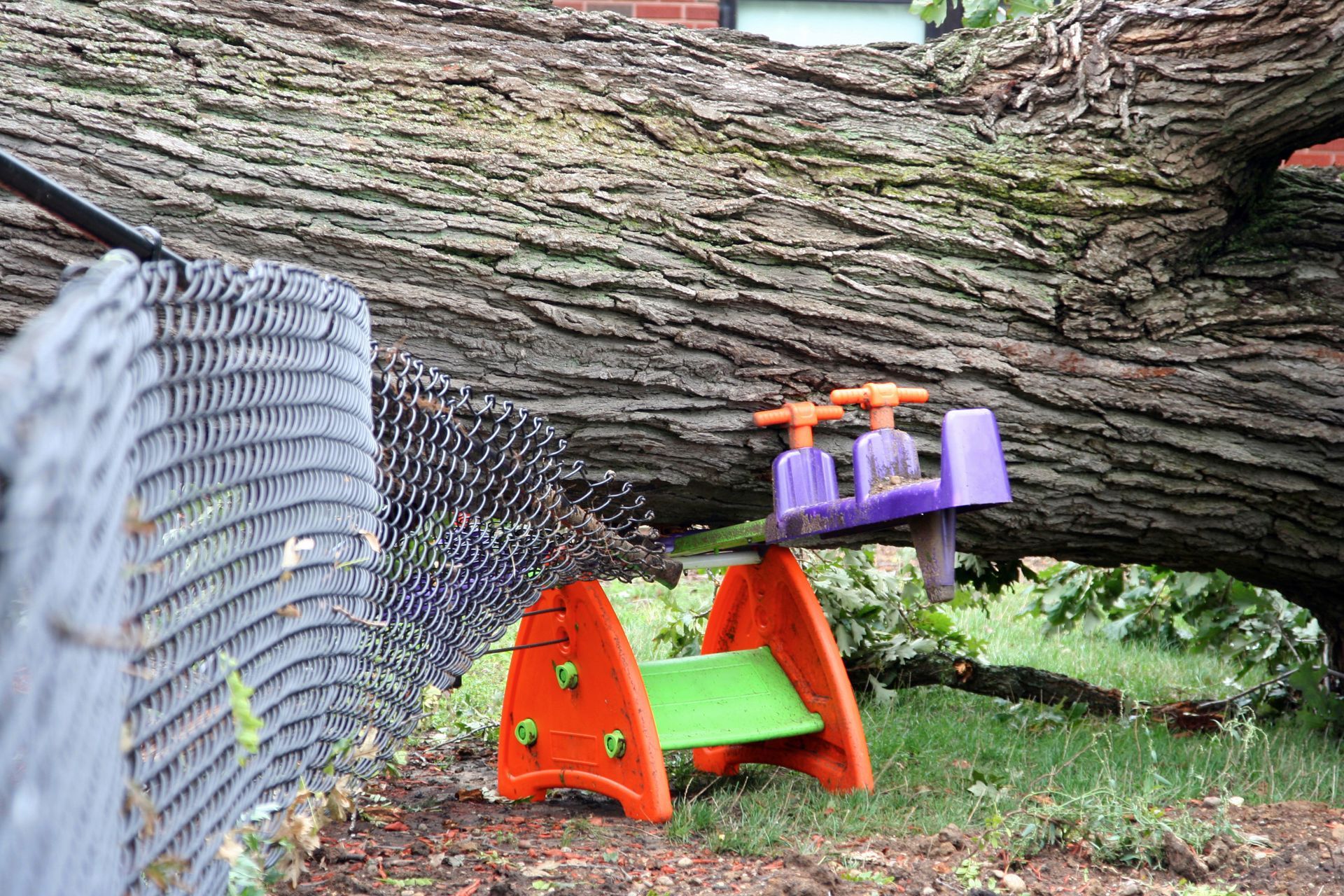
When mushrooms appear at a tree's base, it's a potential warning sign for imminent collapse hazards. Trees weakened by internal decay or root rot pose a heightened risk of falling, especially during storms or high winds. The collapse hazard threatens not only the health of the tree but also nearby structures, vehicles, and people. By recognizing mushrooms as an early symptom, preventive actions can avert tragic outcomes and ensure safety. A proactive approach in addressing these risks involves regular tree assessment and the implementation of safety measures.
Visible vs. Hidden Damage
Mushrooms at the base of trees can indicate both visible and hidden damage, each requiring careful evaluation. Visible damage could include external decay, cracking or splitting in the bark, and visible stress symptoms in the tree's crown. However, hidden damage, such as internal decay or root system failures, may require sophisticated tools for detection. Arborists use techniques like core sampling or non-invasive imaging to assess the tree's internal health. Understanding both visible and hidden damage is critical for developing a comprehensive management plan for tree health.
Long-Term Consequences if Unaddressed
Failing to address the presence of mushrooms at the tree base can lead to long-term repercussions for tree health and safety. Ignored, the conditions indicated by mushrooms can result in widespread decay, ultimately culminating in tree death. Additionally, structural failures can occur, posing risks to life and property if trees are weakened beyond resilience. Unmanaged, these issues have lasting impacts on ecosystem balance, biodiversity, and property value. Early intervention can prevent long-term consequences, ensuring that trees continue to thrive and contribute to environmental harmony.
The Diagnosis and Assessment by a Tree Service
Professional Inspection Procedures
Professional inspections by tree service providers are crucial to accurately assess the presence of mushrooms and potential tree health issues. Initial assessment involves a thorough visual inspection of the tree, focusing on the base where mushrooms appear. Arborists evaluate the overall health of the tree, examining the leaves, bark, and roots for signs of stress or decay. They use specialized tools to detect structural weaknesses and decay not visible to the naked eye. With expertise in identifying fungal threats, arborists guide effective management strategies to safeguard tree health.
Extent of Fungal Impact
Determining the extent of fungal impact through expert evaluation ensures effective strategies are in place for mitigating tree health risks. Fungal presence at the tree's base requires a detailed assessment to understand the impact on both the root system and internal wood structure. Arborists employ a variety of diagnostic tools, such as resistographs and tomography, to determine the extent of decay and infection. Understanding the fungal impact encompasses assessing both current damage and potential risks for future growth. Addressing these conditions effectively prevents further decline and supports sustainable tree health.
At the end of the day, mushrooms sprouting at the base of your tree are much more than a minor cosmetic issue—they are a clear warning sign of hidden rot and decay. Ignoring these fungal growths can slowly destroy your tree's root system from the inside out, leading to structural failures and dangerous falling hazards during storms. By bringing in a professional tree service early, you can accurately diagnose the problem, keep your property safe, and potentially save a beautiful tree before it is too late.
Contact Amy's Tree Care for tree service today. Schedule a comprehensive tree inspection and protect your landscape for years to come!