September 24, 2026
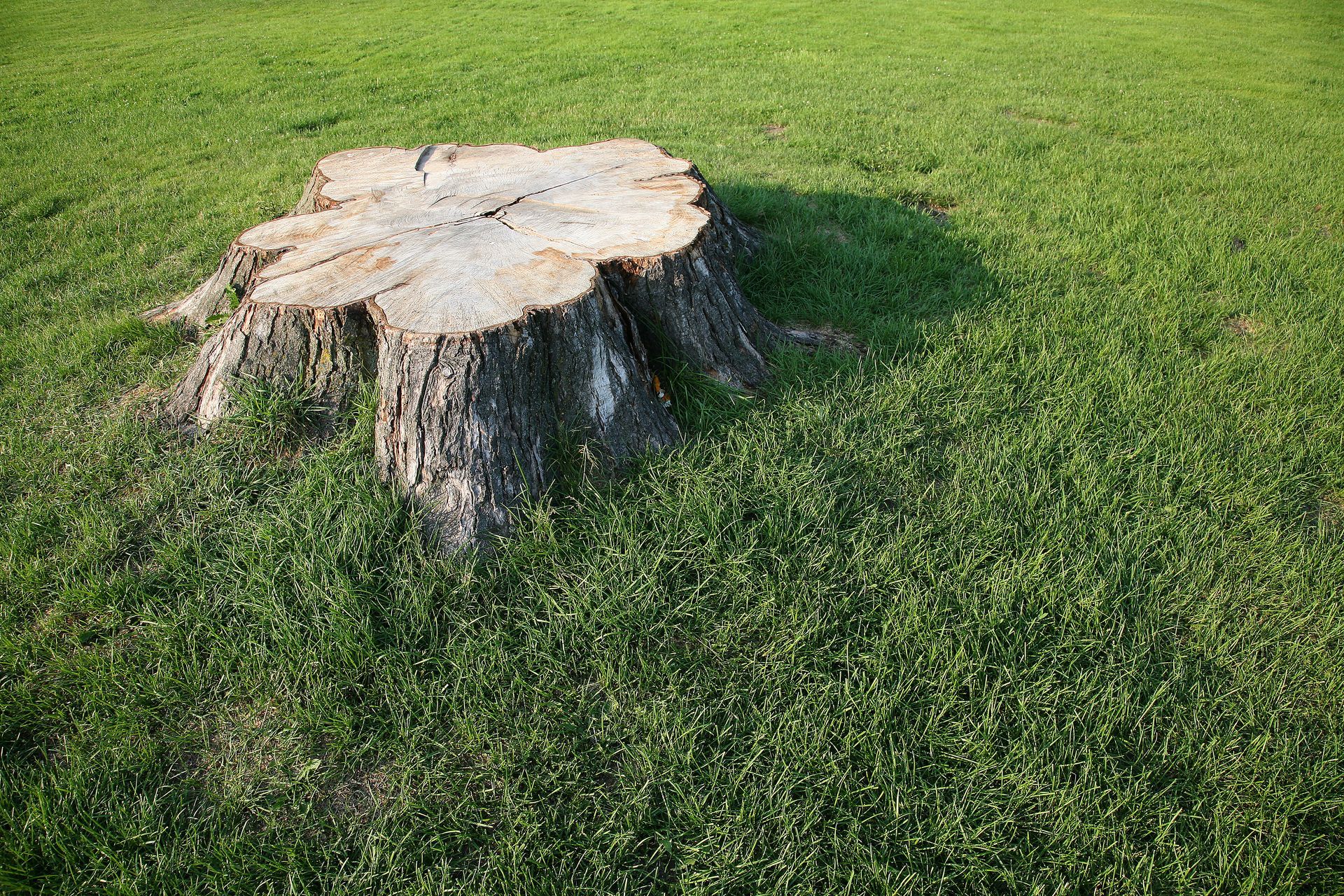
In residential and commercial landscapes alike, the presence of rotting stumps often goes unnoticed until their detrimental impact becomes apparent. These decaying remnants of once-healthy trees not only mar the aesthetic value of yards but also serve as breeding grounds for fungal diseases. Understanding how rotting stumps contribute to the spread of these diseases is crucial for maintaining tree health. Fungal diseases originating from decomposing stumps have the potential to infect nearby healthy trees, compromising their structural integrity and lifespan. This issue affects biodiversity and human activities related to property management. To protect your landscape, it is vital to explore the processes of stump decay, the types of diseases transmitted, and the essential prevention techniques that safeguard tree health.
Understanding That Initial Invasion by Fungi
The process of stump decay begins with the invasion of fungi into the wood structure, where they find a moist environment that supports their growth. These fungi are opportunistic invaders, exploiting the exposed wood following a tree cut. Enzymes produced by the fungi break down the cellulose and lignin, enabling the fungi to feed and proliferate. As they establish themselves, they create networks known as mycelium, which further decay the wood and spread into surrounding areas. Prompt stump removal limits this fungal invasion from becoming a permanent issue. Moisture, temperature, and nutrient availability significantly affect the decay rate, while pests can create entry points for the microorganisms. Routine yard inspections help mitigate the risks of disease spread.
Analyzing Wood Decomposition Over Time
Wood decomposition occurs through various stages, each characterized by distinct physical and chemical transformations. Initially, the outer layers soften as fungi continue to break down the tougher components. As degradation progresses, the structural integrity diminishes, making it more susceptible to mechanical breakdown. Over time, the stump may collapse under its weight, crumbling and integrating into the soil. This continual decay alters habitat conditions, making it conducive to both fungal reproduction and other microbial processes. Early-stage decomposers pave the way for secondary organisms, which take advantage of the altered nutrient profile. Scheduling stump removal early on interrupts these stages, preventing a nexus of biological activity that harbors a multitude of spores. Homeowners are advised to treat or extract stumps promptly.
Examining Soil Impact With Microbial Activity
The decay of tree stumps is intrinsically linked to microbial activity, with fungi and bacteria playing significant roles in the breakdown process. As these microorganisms decompose organic materials, they release nutrients into the soil, enhancing its fertility. This dynamic exchange between decaying wood and its surrounding environment influences plant and microbial communities. However, the same nutrients that benefit the soil can also aid in the proliferation of harmful fungi, leading to potential disease transmission among surrounding plants. Soil impacted by a rotting stump often undergoes physicochemical changes, which can alter its texture and water retention properties. Periodic soil assessments, along with stump removal, help mitigate these threats by disrupting favorable conditions for fungal survival.
Observing Form Changes With Stump Structure
As stumps decay, their physical structure undergoes significant transformation, ultimately reducing their mechanical strength. The loss of density is primarily a result of fungal activity breaking down the structural compounds within the wood. These changes typically manifest as visible signs of decay, such as rotting, crumbling, and cavities that penetrate deeper into the base. As fungal decomposition continues, structural instability can lead to further fragmentation, contributing to the spread of spores. The continuous transformation of structure also impacts the surrounding landscape in terms of maintenance demands. Decayed stumps attract insects that exacerbate the decay process. By addressing these changes through immediate stump removal, property managers can prevent altered soil composition and protect nearby plants.
Recognizing Long-Term Spore Persistence Over Time
Fungal spores produced during stump decay are equipped with remarkable survival adaptations that allow them to persist in the environment. These spores are resistant to environmental stressors, such as temperature fluctuations and moisture variation. Consequently, even once decay progresses to advanced stages, fungal spores continue to pose a proliferation threat to healthy vegetation. They can traverse considerable distances, expanding the zone of potential risk. According to SuperHandy, it is essential for property owners or tree care professionals to reach out to the regional 811 "Call Before You Dig" hotline several days prior to intense stump grinding so that all buried utility lines are properly designated. This necessary precaution prevents damage to essential infrastructure during stump removal, effectively eliminating spore reservoirs safely.
Identifying That Disease-Causing Fungi Exist
Several fungal species are commonly associated with diseases that spread from rotting stumps to living trees, posing substantial risks to tree health. Armillaria species are notorious for infecting a wide range of deciduous trees, causing root rot that weakens and eventually kills the host. Meanwhile, species like Phytophthora and Fusarium target vascular systems, impeding nutrient transportation and resulting in wilting, dieback, or tree mortality. The presence of these disease-causing fungi is facilitated by the conducive conditions within decaying wood, offering both a nutrient source and a protective harbor. In addition to direct infection, many of these fungi produce secondary compounds, called mycotoxins, which exacerbate health issues. Timely stump removal disrupts this positive feedback loop that accelerates disease progression.
Spotting What Physical Symptoms Show on Trees
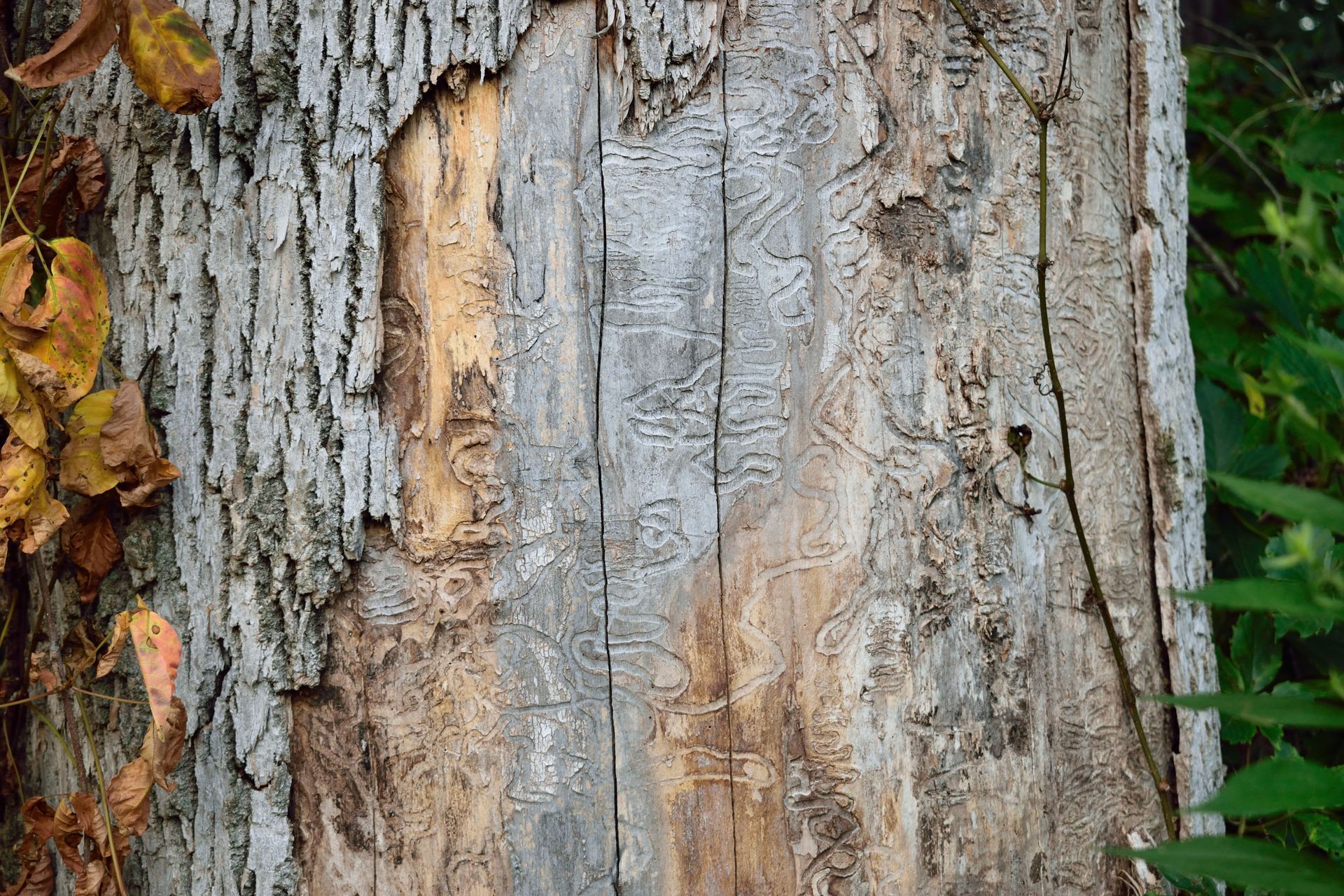
Trees infected by fungal diseases emanating from rotting stumps often display a range of physical symptoms that signal declining health. One common indicator is wilting foliage, which may occur in patches or throughout the canopy, signaling vascular disruption. As the infection progresses, leaves may turn yellow or brown, further indicating nutrient uptake issues. Infected trees may also exhibit lesions or cankers on their trunks and branches, with the bark appearing sunken or splitting. These symptoms can escalate quickly, leading to premature leaf drop and tip dieback. Visual assessment of the root zone can reveal signs of fungal infection as well. Root systems often suffer decay, reducing anchorage and causing the tree to destabilize.
Evaluating Long-Term Effects on Tree Health
The impact of fungal diseases on trees varies significantly depending on the fungus species involved, their pathogenic capabilities, and host susceptibility. Chronic infections weaken a tree's immune system, increasing its vulnerability to secondary infections and opportunistic pests. As fungi continuously break down tree tissues, they create conducive environments for microorganisms that exploit stressed hosts. Over time, infected trees may exhibit stunted growth, reduced reproductive capabilities, and diminished resilience against environmental stressors. Fungi-induced structural compromises can predispose trees to breakage, windthrow, or uprooting during adverse weather events. These impacts not only risk individual tree loss but also jeopardize surrounding vegetation. By prioritizing complete stump extraction, property owners can help preserve ecosystem stability against changing environmental conditions.
Tracing Spread Through Soil Contact
Fungal spores can move from rotting stumps to healthy trees through direct soil contact, representing a primary transmission pathway. As the stump decays, the remaining organic matter enriches the surrounding earth, creating an ideal medium for mycelial expansion. These underground fungal networks can stretch outward for several feet, bridging the gap between a decomposing remnant and the root systems of living vegetation nearby. Once contact is made, the fungi can penetrate vulnerable roots, effectively bypassing above-ground defenses. This subterranean movement is particularly insidious because it remains entirely hidden from view until the infected tree begins displaying obvious signs of distress. Complete stump removal severs this dangerous soil connection, ensuring that hidden fungal networks cannot establish a stronghold.
Protecting your landscape from the hidden dangers of rotting stumps requires proactive management and a thorough understanding of fungal disease transmission. By recognizing the stages of wood decomposition, monitoring structural changes, and observing the physical symptoms in nearby vegetation, property owners can intervene before widespread damage occurs. We know that maintaining a healthy, vibrant yard takes consistent effort and professional attention. If you are noticing signs of decline or want to prevent future outbreaks, taking action now is the most effective strategy. At Amy's Tree Care, our team provides comprehensive solutions, including stump and tree removal, tree and hedge care, and fruit tree pruning to safeguard your outdoor spaces. We are dedicated to ensuring your landscape remains beautiful and disease-free. Reach out to us today to schedule your service.