September 24, 2026
Trees are an important part of many properties, adding shade, beauty, and natural character to outdoor spaces. Like other parts of a landscape, trees change over time and may need regular attention to support their health and appearance. This article explains why regular tree trimming matters, how it can benefit trees and properties, and when seeking professional help may be appropriate.
Supporting Healthier Growth
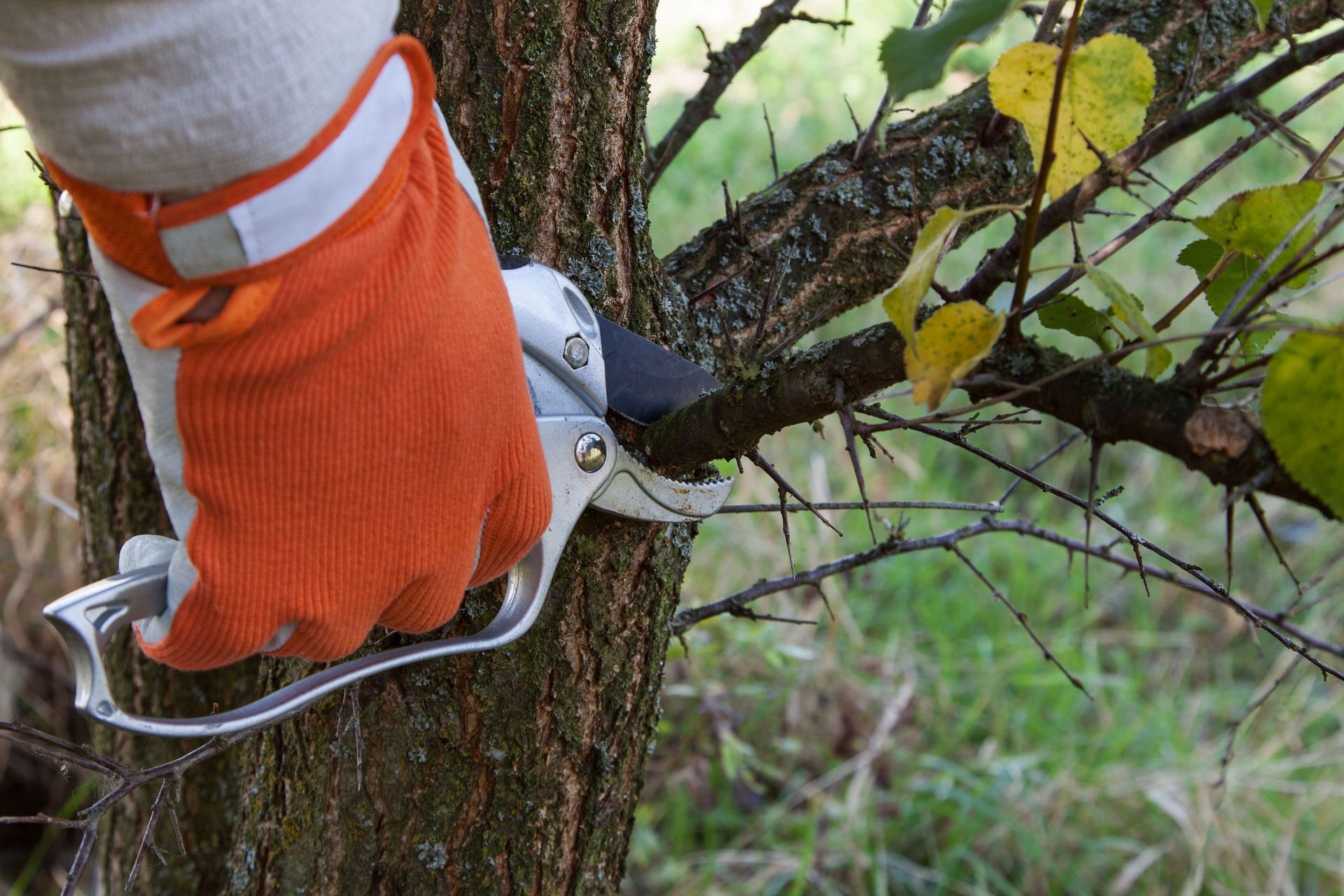
Regular tree trimming can play an important role in maintaining healthy tree growth. As trees develop, branches may become crowded, damaged, weak, or unevenly distributed. Removing problem areas at the right time can help a tree direct its resources toward healthy growth. Overgrown branches can also create competition within the tree's canopy. When too many branches grow close together, some areas may receive less sunlight and airflow. Thoughtful trimming can help create a more balanced structure while allowing the tree to continue developing. The timing and amount of trimming can vary based on the tree's type, age, condition, and location. This is one reason seeking professional help can be useful when a tree needs regular attention. A professional can assess the tree and determine what type of trimming may be appropriate for its current condition.
Improving Tree Structure
A tree's structure can change as it grows. Some branches may become larger than others, while new growth can create crowded areas within the canopy. Over time, these changes may affect how the tree carries its weight and how evenly its branches are distributed. Regular tree trimming can help maintain a more balanced structure. Addressing certain branches while they are still manageable may help reduce the development of larger structural concerns later. Proper trimming also takes the tree's natural growth pattern into consideration instead of removing branches without a clear purpose. Structural concerns can be more noticeable as trees mature. Large or uneven branches may place added stress on other parts of the tree, particularly during periods of strong wind or severe weather. Seeking professional help can provide a closer assessment of these concerns and help determine whether trimming is appropriate.
Reducing Potential Hazards
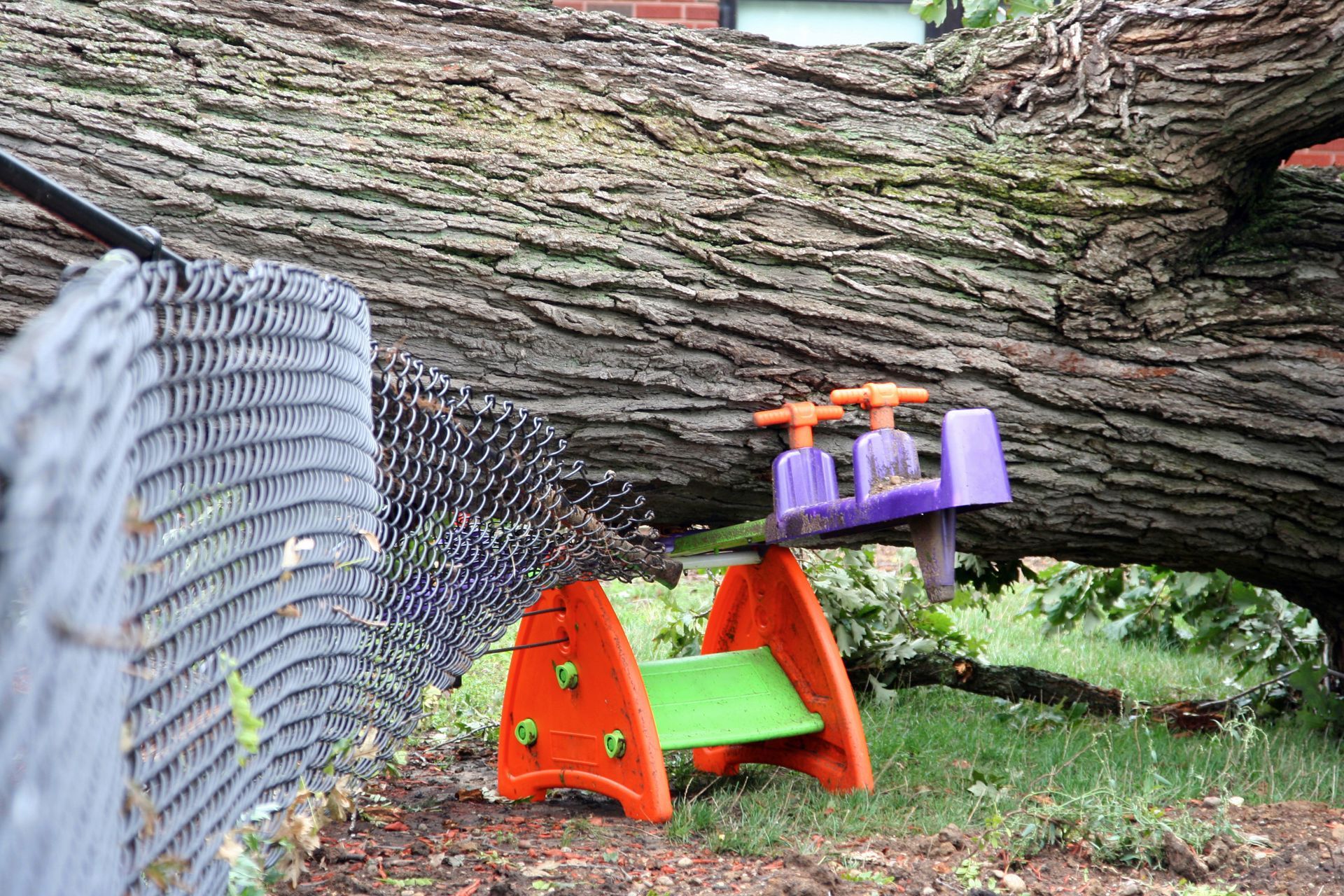
Trees are living structures that can be affected by weather, age, disease, pests, and changing growing conditions. Damaged or weakened branches may become more likely to break, especially during storms or periods of high wind. Regular tree trimming can help address certain branches before they become a larger concern. Branches that extend over buildings, walkways, driveways, or other frequently used areas may also require careful attention. Keeping tree growth properly managed can help reduce the chance of branches interfering with these spaces. This does not mean every large or low-growing branch needs to be removed. Trees have different growth patterns, and trimming too much can also create problems. A professional assessment can help determine which areas may need attention and how trimming can be approached carefully.
Maintaining Better Appearance
Healthy trees can contribute significantly to the overall appearance of a property. When branches become excessively long, crowded, or uneven, the tree may begin to look unbalanced. Regular tree trimming can help maintain a cleaner and more orderly appearance while supporting the tree's natural shape. Keeping trees properly maintained can also help outdoor spaces look more cared for. Trees are often highly visible elements of a property, so their condition can influence the appearance of the surrounding landscape. Appearance should not be the only reason for trimming, though. Removing too much growth simply to change the shape of a tree can have negative effects. Good tree care considers the tree's health and structure along with the desired appearance.
Encouraging Long-Term Care
Tree care is most effective when it is approached as an ongoing process rather than a one-time task. Trees continue to grow, and their needs can change as they become older or experience different environmental conditions. Regular evaluations can help identify changes before they become more difficult to address. According to HomeAdvisor, trimming your trees every three to five years helps keep tree growth and health on track. This timeframe provides a general point of reference, but individual trees may require attention at different intervals. Factors such as species, growth rate, age, location, weather exposure, and overall condition can affect how often trimming is needed. Regular tree trimming can also make it easier to keep track of changes in a tree over time. A consistent approach allows potential concerns to be identified during routine evaluations instead of waiting until a noticeable problem develops. Seeking professional help can be a practical way to maintain a long-term tree care schedule.
Protecting Surrounding Areas
Trees do not grow in isolation. Their branches and roots interact with the surrounding spaces, including buildings, fences, walkways, utility areas, and other landscape features. As branches grow outward, they may eventually extend into areas where they create access or clearance concerns. Regular tree trimming can help manage growth in relation to surrounding spaces. This can be especially relevant for trees growing near structures or areas that receive regular foot or vehicle traffic. Properly maintained growth may help keep these spaces more accessible while preserving the tree's overall form. It is important to consider the full tree rather than focusing on one branch at a time. Removing a branch can affect the balance of the canopy, so trimming decisions should account for the tree's overall structure. Professional help can provide a broader evaluation of the tree and its relationship to nearby areas.
Managing Weather-Related Damage
Severe weather can change the condition of a tree quickly. Strong winds, heavy rain, lightning, and other weather conditions may leave branches cracked, broken, or weakened. Even when a tree appears mostly healthy, damage may not always be easy to recognize from the ground. After significant weather, a tree may need to be evaluated for visible or developing concerns. Tree trimming can sometimes be part of addressing damaged growth, depending on the tree's condition and the location of the affected branches. Prompt attention can also help prevent a small issue from becoming a larger one. Seeking professional help after major weather events can provide a closer look at damaged areas and help determine what steps may be appropriate. This is especially useful when branches are large, difficult to reach, or located near structures and other property features.
Regular attention can have lasting benefits for trees and the surrounding properties. Proper trimming may help support healthy growth, maintain structure, manage damaged branches, and keep trees looking balanced throughout the year. It can also help identify changes that may need further attention. Every tree has different needs, which is why trimming decisions should be based on the tree's current condition rather than a one-size-fits-all approach. Seeking professional help can provide a closer evaluation and a clearer understanding of what type of care may be appropriate for the tree and its surroundings.
For property owners looking to maintain their trees over the long term, tree trimming services can be a useful part of a regular care plan. With consistent attention, trees can remain a valuable part of the outdoor environment while their growth is managed in relation to the surrounding property. Regular care may also help address changing conditions before they become more noticeable or difficult to manage. For dependable tree trimming services, contact Amy's Tree Care to discuss your trees and determine the appropriate care for your property.